GHK-Cu, CJC-1295 & More: Are These Peptides Safe?
09.03.2026
In clinical medicine, certain peptides are FDA-approved and well studied. However, many trending compounds circulating online fall into a different category: “research chemicals” not approved for human use. That distinction matters.

Search interest in peptides has exploded. Terms like GHK-Cu peptide, CJC-1295, BPC-157, retatrutide, Semax, and “peptides for women” are trending rapidly - alongside brand-led searches and rising TikTok content promoting injectable “research peptides.”
But while peptides are often framed as cutting-edge biohacking tools, their safety profile varies dramatically depending on the compound, dose, sourcing, and regulatory status.
Before exploring performance or aesthetic claims, the more important question is: How safe are peptides - and what does the evidence actually say?
What Are Peptides, Biologically?
Peptides are short chains of amino acids that act as signaling molecules in the body. Some are naturally occurring. Others are synthetic analogues designed to influence:
- Growth hormone signalling
- Tissue repair
- Skin regeneration
- Fat metabolism
- Neurotransmitter pathways
In clinical medicine, certain peptides are FDA-approved and well studied. However, many trending compounds circulating online fall into a different category: “research chemicals” not approved for human use.
That distinction matters.
Six Trending Peptides - And Their Safety Realities
Below are six widely discussed peptides currently gaining traction online.
1. GHK-Cu (Copper Peptide)
Primarily used in cosmetic and dermatological contexts for skin regeneration and with a long history of safe use in wound healing and antiaging skin care. Topical use has some supporting data. Injectable versions circulating online lack large-scale long-term safety trials.
Safety note: Cosmetic-grade use differs significantly from compounded injectables.
2. CJC-1295
Marketed for growth hormone stimulation and body composition. Often sold as a “research peptide.”
Concerns:
- Not FDA-approved for general use
- Potential endocrine disruption
- Limited long-term human safety data
3. BPC-157
Promoted heavily on forums for injury recovery and gut repair.
Reality:
Most evidence comes from animal studies. Human trials remain extremely limited.
Black-market injectable forms are widely available despite lack of regulatory approval.
Key Warning:
The FDA has specifically identified BPC-157 on its list of bulk drug substances that may present “significant safety risks” when used in compounding, citing concerns around immunogenicity, peptide-related impurities, limited safety data for proposed routes of administration, and insufficient evidence to determine whether the drug could cause harm when administered to humans.
4. Semax
A synthetic peptide originally developed in Russia for neurological applications.
Concerns:
Limited Western regulatory oversight, variable sourcing quality, and inconsistent dosing practices online.
5. Retatrutide
Often referred to as a “next generation” metabolic peptide targeting multiple hormone pathways.
Important: Retatrutide is still in clinical development phases and not approved for general public use.
Any product claiming access outside formal clinical trials should raise questions.
6. “Glow” or “Anti-Aging” Peptide Blends
Frequently sold via aesthetic clinics or online shops, often combining multiple experimental compounds.
Major risk factor:
Multi-ingredient injectable blends with unclear pharmacology and no long-term safety data.
The Black Market Problem
One of the largest safety concerns isn’t peptides themselves - it’s sourcing.
Many trending peptides are sold as:
- “For research use only”
- “Not for human consumption”
- Through Telegram groups
- Through TikTok bio links
- Via unregulated online marketplaces
Several physicians and investigative journalists have warned that underground peptide markets are expanding rapidly, particularly in the weight-loss and muscle-building categories.
Concerns raised include:
- Incorrect dosing
- Contamination
- Mislabelled vials
- Bacterial endotoxins
- Absence of sterility testing
Unlike regulated pharmaceutical supply chains, black-market peptides often bypass quality control entirely.
TikTok in particular has accelerated demand, with influencers normalising self-injection protocols without medical supervision - often presenting peptides as lifestyle accessories rather than endocrine-active compounds.

What Is Actually Known About Peptide Safety?
For many of the compounds trending online:
- Long-term safety data is absent
- Pre-clinical studies have been conducted (e.g. Guo RC et al.), but large randomized controlled trials are lacking
- Drug-drug interaction data is incomplete
- Optimal dosing is unclear
- Off-label stacking protocols are experimental
That does not automatically mean they are dangerous - but it does mean uncertainty is high.
In medicine, safety is determined through:
- Phase I–III trials
- Pharmacokinetic studies
- Dose-ranging trials
- Long-term surveillance
Most aesthetic and biohacking peptides circulating online have not passed through that level of scrutiny.
Why Demand Is Rising
If you look at what people are actually searching for, the motivations are consistent:
- Faster fat loss
- Muscle growth
- Improved recovery
- Skin rejuvenation
- Cognitive enhancement
- “GLP-1 alternatives”
In other words: performance, longevity, aesthetic optimisation.
But here’s the nuance.
The underlying goals are often metabolic health, mitochondrial function, inflammation reduction, and cellular repair - all of which can be supported through better studied, non-injectable pathways.
Safer, Evidence-Led Alternatives for Similar Goals
Rather than bypassing regulatory safeguards, a more sustainable strategy focuses on well-studied metabolic and cellular pathways.
Throughout this article we’ve touched on alternatives. Here’s how that translates into practical options.
1. For Metabolic Support & Weight Regulation
Instead of experimental GLP-1-adjacent peptides:
-
Berberine (capsule format) - clinically studied for glucose and lipid regulation
- Can be paired with NMN to support NAD+ pathways involved in cellular energy
Manapura Berberine is standardised, tested, and aligned with clinical dosing protocols - without the risks of underground injectables.
2. For Cellular Energy & Longevity Signalling
Many peptides aim to manipulate metabolic signalling.
A foundational approach:
-
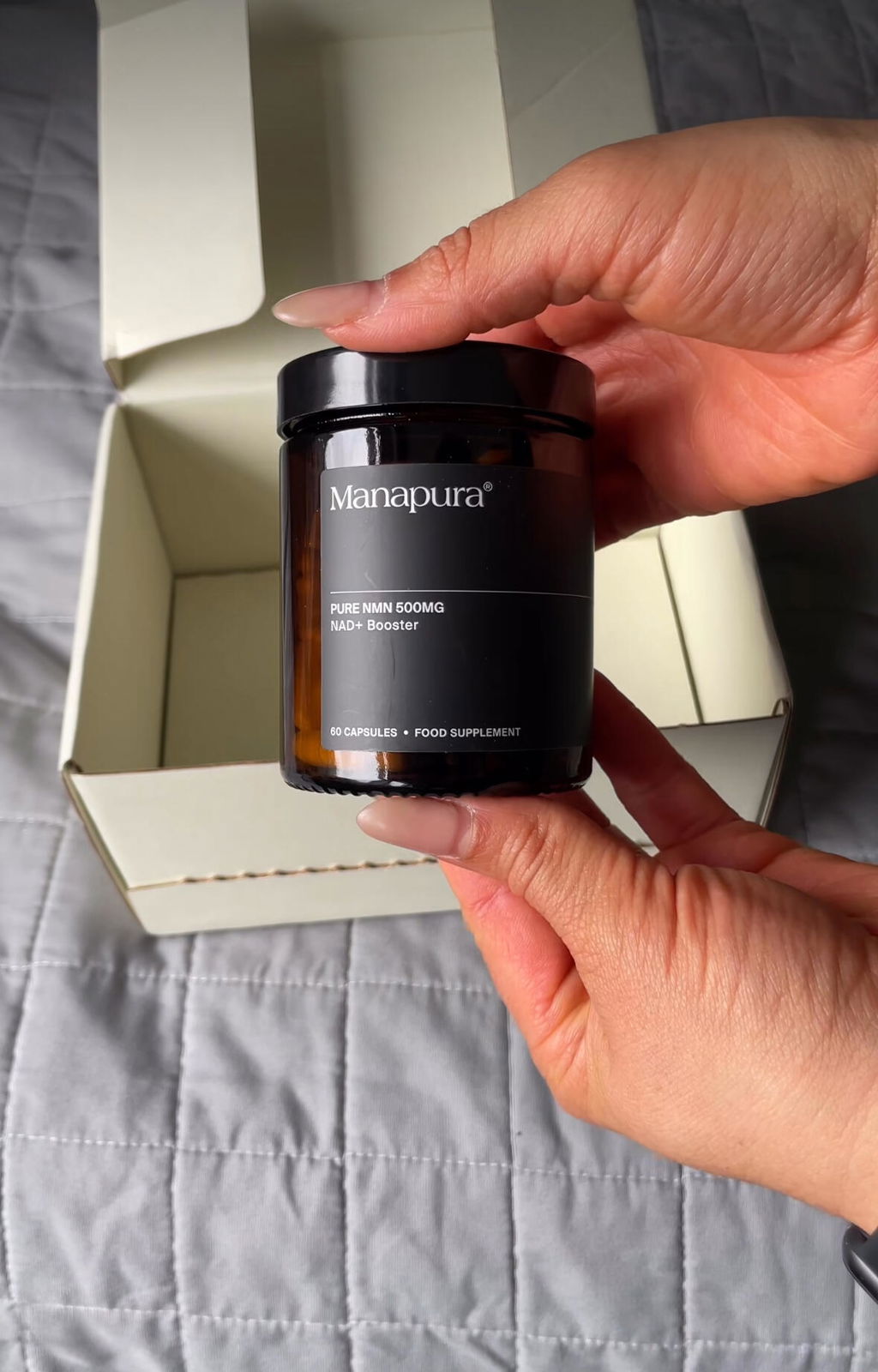
NMN (nicotinamide mononucleotide) to support NAD+ production
- NAD+ plays a central role in mitochondrial function and healthy ageing
Unlike experimental injectables, NMN has human safety data and growing clinical interest.
3. For Skin & Regenerative Support
Rather than turning to injectable “glow peptides” with limited long-term safety data, a more evidence-aligned approach:
- Oral Hyaluronic Acid (HA) supplementation.
Clinical studies suggest that oral HA can improve skin moisture and reduce the appearance of fine lines over time by enhancing systemic hydration at a cellular level.
What Most People Are Really Looking For
When someone searches:
- “peptides for women”
- “weight loss peptides”
- “muscle growth peptides”
- “glow peptide”
- “are peptides safe?”
The underlying desire is rarely the molecule itself.
It’s:
- Sustainable fat loss
- Lean muscle retention
- Skin quality
- Hormonal balance
- Longevity
The key question becomes:
Do you pursue these goals through unregulated, injectable compounds with limited long-term safety data - or through clinically studied metabolic strategies?

Final Perspective
Peptides are not inherently dangerous.
Some are medically valuable. Others are promising in research settings.
But the current consumer peptide boom - accelerated by TikTok, aesthetic marketing, and underground suppliers - has outpaced the safety data for many of the compounds being injected.
For those prioritising:
- Evidence
- Regulatory oversight
- Transparent dosing
- Pharmaceutical-grade quality
A metabolic longevity strategy built around clinically studied nutrients - such as berberine and NMN - offers a more controlled and research-aligned pathway.
Longevity should be progressive - not experimental.
Disclaimer: This article is for general information and educational purposes only and is not medical advice. Manapura products are food supplements, not medicines, and should not be used to diagnose, treat, cure, or prevent any disease. If you have a medical condition, take prescription medication, are pregnant or breastfeeding, always consult your healthcare professional before use. These statements have not been evaluated by the Food and Drug Administration.